
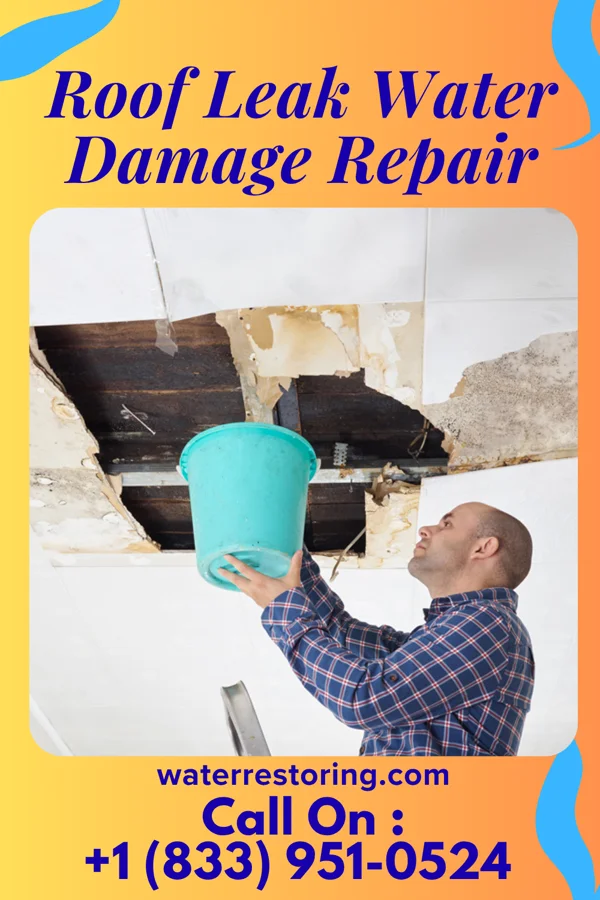
When West Brattleboro Properties Need Roof Leak Repair
Water damage in West Brattleboro usually starts with West Brattleboro experiences frequent spring and fall storms, which can lead to sudden heavy rainfall and strong winds. These conditions often result in rapid water accumulation on rooftops, increasing the risk of leaks and water damage. The region's unpredictable weather patterns mean that even minor changes in atmospheric pressure can trigger sudden downpours.. A close second is The area is also prone to freezing temperatures in the winter, which can cause ice dams to form on roofs. These ice dams trap meltwater, leading to water infiltration and structural damage. Additionally, the region's high humidity levels contribute to prolonged moisture exposure, accelerating roof degradation.. Professional restoration follows the IICRC protocol on every job. Assess. Extract. Dry. Sanitize. Document.
The combination of heavy rainfall, freezing temperatures, and high humidity in West Brattleboro creates a challenging environment for roof integrity. Homes in this area often face repeated exposure to moisture, which can lead to long-term structural issues if not properly addressed.
Water damage in West Brattleboro follows a few local patterns. West Brattleboro experiences frequent spring and fall storms, which can lead to sudden heavy rainfall and strong winds. These conditions often result in rapid water accumulation on rooftops, increasing the risk of leaks and water damage. The region's unpredictable weather patterns mean that even minor changes in atmospheric pressure can trigger sudden downpours. accounts for the bulk of our calls. The combination of heavy rainfall, freezing temperatures, and high humidity in West Brattleboro creates a challenging environment for roof integrity. Homes in this area often face repeated exposure to moisture, which can lead to long-term structural issues if not properly addressed. Mold can begin to grow within 48 hours of water exposure in West Brattleboro due to the region's high humidity. This poses a significant risk to indoor air quality and structural integrity, especially in older homes with inadequate insulation and ventilation.
For public guidance on the health effects of mold after prolonged water exposure, see the EPA mold and health page.